
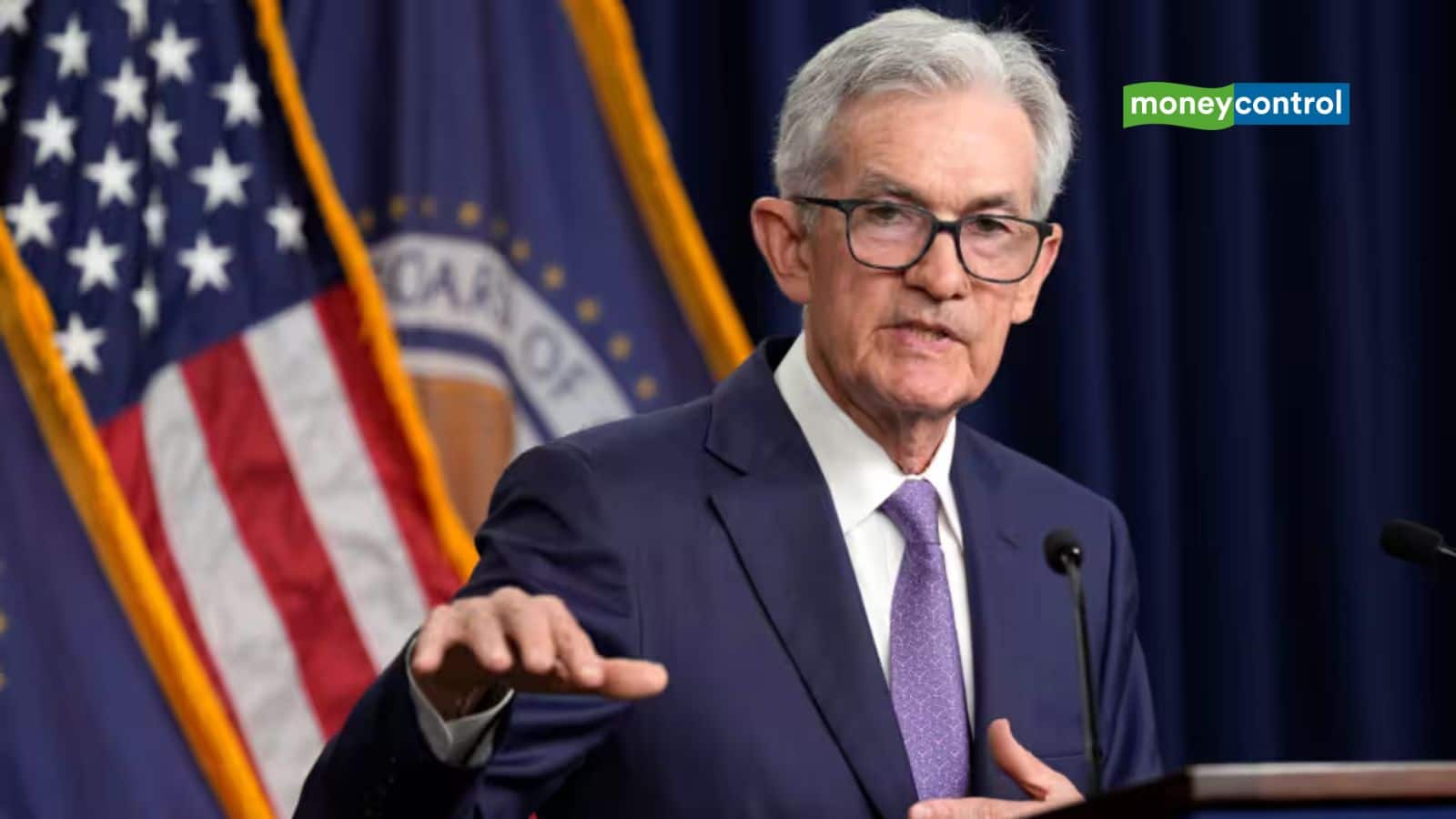
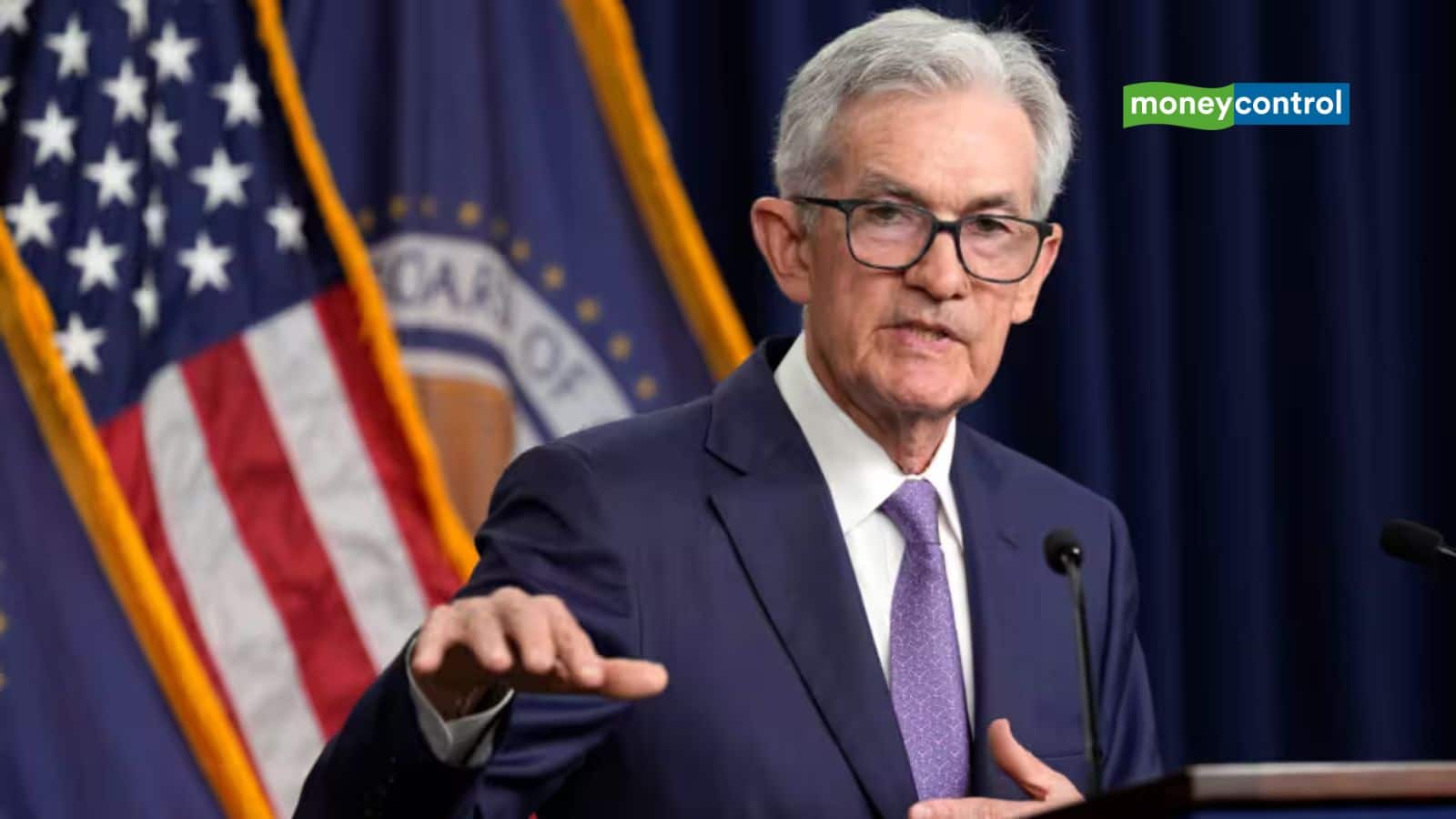
Fed rate cuts: The US central bank Federal Reserve cut its key interest rate on Wednesday, but also indicated that it will not be easy to reduce rates further. This decision made it clear that there is deep disagreement within the Fed regarding whether the priority should be to control inflation or to support the employment market.
What was the decision of the Federal Reserve?
The Federal Open Market Committee (FOMC), the Fed’s policy-making committee, cut the overnight lending rate by 0.25 percentage points. After this the interest rate came in the range of 3.5 percent to 3.75 percent. The market was already expecting this decision, hence it was called ‘Hawkish cut’, that is, the cut happened but the stance remained tough.
So many anti-votes for the first time in 6 years
The most important thing about this decision was that three members voted against it, which has happened for the first time since September 2019. The overall voting was by a margin of 9-3, clearly showing the growing divisions within the Fed.
Fed Governor Stephen Miron believed that the situation demanded bigger relief, so he supported a cut of 0.50 percentage points. At the same time, Kansas City Fed chief Jeffrey Schmid and Chicago Fed chief Austin Goolsby opposed any cut in rates.
Economic data will be monitored
In a statement issued after the meeting, the FOMC repeated the same language it had used in December 2024. At that time this language meant that the Fed could stop from reducing rates for the time being.
The statement said that any further changes will be decided after considering the upcoming economic data, the changing outlook and the balance of risks.
Limited scope for further rate cuts
Now after three consecutive cuts, the question is what will happen next. The Fed’s own signals show that there is no scope for further cuts.
The dot plot showing the future thinking of Fed officials shows that there is scope for only one cut in 2026. Same situation is going to prevail in 2027 also i.e. another cut. After this, the interest rate may stabilize at around 3 percent level in the long term.
GDP estimates increased, but inflation remains a concern
On the economic front, the Fed has increased GDP growth estimates for 2026. This has been increased by 0.50 percentage points from the September estimate to 2.3 percent. However, the Fed believes inflation could remain above its 2 percent target through 2028.
According to the Fed’s preferred inflation measure, inflation stood at 2.8 percent in September. This is down from the highs of a few years ago, but still well above the Fed’s 2 percent target.
Fed will buy treasury bonds again
With the decision on interest rates, the Fed took another big step. It announced that it would resume purchasing Treasury securities. At the October meeting, the Fed had said that it would stop shrinking the balance sheet from this month.
The Fed will buy $40 billion of Treasury bills starting Friday. After this, purchasing may remain at a high level for a few months and then it will be reduced to a great extent. This decision has been taken amid fears of pressure in the overnight funding market.
Political pressure is also increasing
All this is happening at a time when Fed Chair Jerome Powell is nearing the end of his second term. Now he has only three meetings left. After this, President Donald Trump will nominate his new candidate.
Trump has already indicated that he will choose someone who is in favor of low interest rates. According to market estimates, Kevin Hassett’s chances of becoming Fed chair are 72 percent. Former Fed Governor Kevin Wersh and current Governor Christopher Waller are far behind.
What will be the impact on the stock market?
This decision of the Fed may increase instability in global stock markets. Despite the interest rate cut, the Fed’s dovish stance, internal differences and indications of further limited cuts are disappointing for equity investors.
Bond yields in the US may remain high, putting pressure on tech and growth stocks. Additionally, the Fed’s resumption of Treasury bond purchases may provide liquidity support in the short term, but long-term investors may still take a cautious stance.
What does this mean for India
From India’s point of view, Fed’s strict stance is important for FII flows and the movement of rupee. If interest rates in the US remain high for a long time, foreign investors may lose interest in emerging markets, leading to volatility in the Indian stock market.
However, India’s strong domestic growth and inflation under control may offset this pressure to some extent. For RBI, this is also a signal that it will not be hasty in cutting rates and will maintain a cautious monetary policy in view of the global conditions.
TCS acquisition: American AI company will buy Tata Group’s TCS, deal will be for ₹ 6292 crore; Know complete details